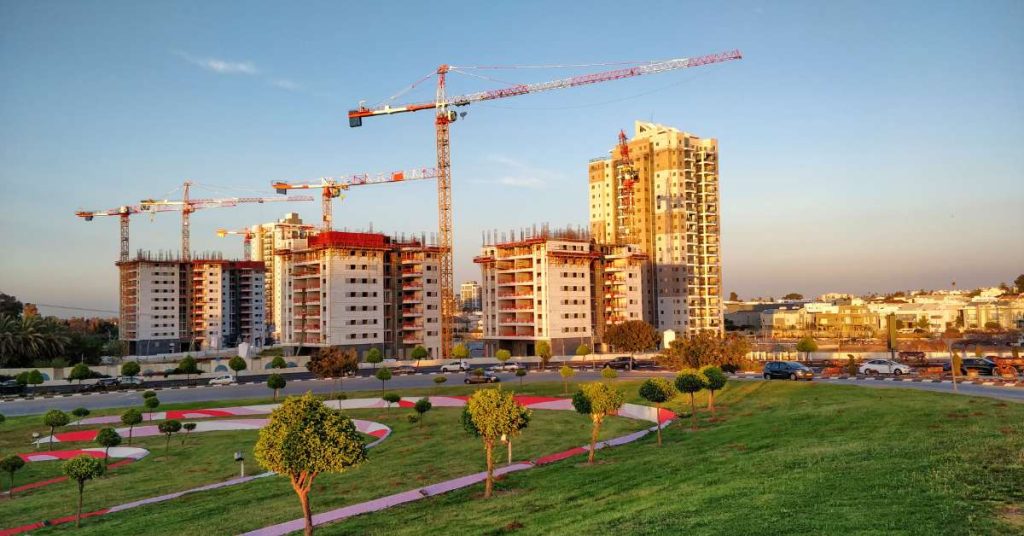
Construction in New Zealand requires expertise, accountability, and adherence to strict safety and quality standards. Licensed professionals play a crucial role in ensuring that building projects meet these expectations. New Zealand licensed building practitioners (LBPs) are recognized experts authorized to carry out specific building work, guaranteeing compliance with the Building Act and providing clients with peace of mind.
This article explores the role of licensed building practitioners, their responsibilities, the benefits of working with them, and their contribution to the country’s construction sector.
Understanding Licensed Building Practitioners
Licensed building practitioners are individuals officially recognized under New Zealand’s regulatory framework. They are authorized to perform particular types of building work, including residential and commercial construction, renovations, and complex projects. Licensing ensures:
- Skill Verification – Practitioners have demonstrated competence in their field.
- Compliance Knowledge – LBPs understand building codes, safety regulations, and council requirements.
- Professional Accountability – Licensed practitioners are responsible for adhering to high standards.
- Client Confidence – Homeowners and developers can trust their work meets legal and quality standards.
LBPs cover a range of disciplines, including carpentry, site management, design, and project supervision, depending on their license type.
Services Provided by Licensed Building Practitioners
Licensed building practitioners offer comprehensive services across multiple sectors of construction:
- Residential Construction – Building new homes, townhouses, apartments, and luxury residences.
- Commercial Projects – Offices, retail spaces, industrial buildings, and mixed-use developments.
- Project Management – Overseeing construction schedules, budgets, and subcontractors.
- Renovation and Retrofit Work – Updating older buildings to comply with modern codes and standards.
- Design and Build Services – Offering integrated solutions from planning to completion.
- Compliance Assurance – Ensuring all work meets legal requirements and building codes.
- Sustainability Initiatives – Integrating energy-efficient designs and eco-friendly materials.
These services make LBPs essential for safe, high-quality, and compliant construction projects.
Benefits of Hiring Licensed Building Practitioners
Engaging licensed building practitioners provides numerous advantages:
- Legal Compliance – Ensures construction work meets New Zealand Building Code requirements.
- Quality Assurance – LBPs are trained to deliver high-quality workmanship.
- Safety – Focus on proper construction methods and risk mitigation.
- Project Reliability – Experienced practitioners manage projects efficiently.
- Peace of Mind – Clients can trust that licensed professionals are accountable and qualified.
Hiring LBPs minimizes the risk of defects, delays, or non-compliance issues during construction.
Residential vs Commercial Work
Licensed building practitioners work across different sectors, and understanding the distinctions helps clients select the right professional.
| Aspect | Residential Construction | Commercial Construction |
|---|---|---|
| Project Scope | Homes, apartments, townhouses | Offices, retail, industrial spaces |
| Client Focus | Lifestyle, comfort, aesthetics | Functionality, safety, and efficiency |
| Complexity | Medium complexity, customized designs | Higher complexity, regulatory compliance |
| Timeline | Moderate duration, varies by project size | Longer due to scale and approvals |
| Budget | Determined by size, materials, finishes | Higher due to technical and regulatory requirements |
| Regulatory Oversight | Local council inspections | Stricter compliance with codes and standards |
Licensed practitioners ensure projects in both sectors adhere to required standards.
Key Qualities of Licensed Building Practitioners
To deliver reliable and safe construction, LBPs possess several essential qualities:
- Technical Expertise – In-depth knowledge of building techniques and materials.
- Regulatory Knowledge – Familiarity with council permits, zoning, and safety regulations.
- Problem-Solving Skills – Ability to manage unforeseen challenges efficiently.
- Attention to Detail – Ensuring precise execution and quality finishes.
- Project Management – Coordinating teams, schedules, and resources effectively.
- Sustainability Awareness – Integrating energy-efficient and environmentally friendly solutions.
These qualities allow LBPs to maintain a high standard of professionalism in every project.
The Role of Licensed Building Practitioners in Residential Construction
Residential construction relies heavily on LBPs to guarantee:
- Safety – Building structures that are secure and structurally sound.
- Code Compliance – Following local building codes, fire safety, and zoning regulations.
- Quality Homes – Delivering durable, functional, and aesthetically pleasing properties.
- Energy Efficiency – Incorporating sustainable materials and designs to minimize environmental impact.
- Client Satisfaction – Managing expectations, timelines, and budgets professionally.
Licensed practitioners act as a trusted bridge between homeowners, architects, and construction teams.
Challenges Faced by Licensed Building Practitioners
LBPs must navigate several challenges in New Zealand’s construction sector:
- Material Shortages – Securing high-quality materials during supply fluctuations.
- Workforce Limitations – Ensuring sufficient skilled tradespeople are available.
- Regulatory Compliance – Keeping up with changing building codes and council requirements.
- Climate and Environmental Factors – Designing structures suitable for New Zealand’s diverse climates.
- Project Coordination – Managing multiple subcontractors and schedules efficiently.
Licensed practitioners rely on experience, planning, and professional networks to overcome these challenges.
Case Study: Licensed Practitioner Residential Renovation
A homeowner in Auckland hired a licensed building practitioner to renovate a 1980s home:
- Structural upgrades to meet current safety standards.
- Modernizing interiors, including kitchen, bathroom, and open-plan living areas.
- Installation of energy-efficient insulation and double-glazed windows.
- Compliance with all local building codes and council approvals.
The licensed practitioner ensured the project was completed safely, on time, and within budget, delivering a home that combined modern functionality with long-term durability.
Certification vs Licensing
While certification recognizes skill and competence, licensing provides legal authority to perform specific building work. The difference is significant:
- Certification – Demonstrates training, experience, and professional recognition.
- Licensing – Grants legal permission to carry out defined construction tasks under New Zealand law.
Licensed building practitioners combine both skill and authority, ensuring safe, compliant, and high-quality construction outcomes.
Choosing the Right Licensed Building Practitioner
To select a licensed practitioner for a project:
- Verify Licensing – Check credentials through official New Zealand registers.
- Review Experience – Examine past projects relevant to your needs.
- Seek References – Speak with past clients to gauge reliability and quality.
- Clarify Scope and Budget – Ensure transparent discussions on timelines and costs.
- Assess Communication – Choose a practitioner who communicates clearly and regularly.
- Evaluate Sustainability Practices – Confirm energy-efficient and environmentally conscious methods are incorporated if desired.

Following these steps ensures a competent, reliable, and accountable construction partner.
Licensed Building Practitioners: Trusted Professionals
Working with New Zealand Licensed Building Practitioners ensures that construction projects are executed to the highest standards, with full compliance, safety, and quality. Whether for residential homes, commercial buildings, or renovations, LBPs provide the expertise and accountability necessary for successful outcomes.
Future Outlook for Licensed Building Practitioners
The demand for licensed practitioners in New Zealand is expected to grow due to:
- Increasing construction activity in urban and regional areas.
- Emphasis on safety, compliance, and sustainable building practices.
- Rising complexity of residential and commercial construction projects.
- Integration of advanced technologies and energy-efficient solutions.
- Regulatory requirements for certified and licensed construction professionals.
LBPs will continue to play a pivotal role in delivering safe, high-quality, and compliant construction projects nationwide.
Conclusion
Licensed building practitioners are essential to New Zealand’s construction industry, providing expertise, professionalism, and legal accountability. Their role ensures that residential, commercial, and renovation projects meet safety, quality, and regulatory standards.
By engaging licensed practitioners, clients gain confidence that their construction project will be completed efficiently, safely, and to the highest standard. Licensed building practitioners are vital partners in building New Zealand’s safe, sustainable, and modern infrastructure.